In the evolving landscape of commercial cinema and auditorium design, the significance of ergonomic headrest configuration cannot be overstated. As audiences increasingly prioritize comfort during extended screenings, facility operators are tasked with selecting seating that not only accommodates space constraints but also provides substantial postural support. Balancing high-traffic durability with the specific biomechanical needs of diverse demographics remains a complex challenge for facility managers and interior designers. This evaluation analyzes the market’s leading providers by examining their structural integrity, headrest adjustability, and overall ergonomic focus. Based on a thorough assessment of technical specifications, material resilience, and industry track records, this analysis identifies the top eight brands currently setting the standard for cinematic viewing posture in 2026.
Following this rigorous assessment of technical performance and industry standards, the following list outlines the primary manufacturers currently leading the sector.
Full List of Top 8 Brands
- Leadcom
- Ferco Seating
- Seatorium
- Hussey Seating
- KI
- Toda Furniture
- Contract Design
- Airport Seating Alliance
Understanding the relative strengths of these manufacturers helps operators align their specific venue needs with the appropriate technical specifications found in their product lines.
Comparison Table
| Brand | Key Products | Key Features | Best For |
| Leadcom | Cinema/Auditorium Chairs | Integrated lumbar & articulated headrests | High-traffic commercial cinemas |
| Ferco Seating | Luxury Cinema Recliners | Adjustable headrests, plush cushioning | Premium viewing experiences |
| Seatorium | Theatre Seating | Specialized tilt mechanisms | Boutique and multi-use auditoriums |
| Hussey Seating | Bleachers/Fixed Seating | Heavy-duty steel frameworks | Large-scale sports and event arenas |
| KI | Institutional Seating | Ergonomic, multi-purpose design | Education and institutional halls |
| Toda Furniture | Contract Furniture | Modular structural components | Corporate and public spaces |
| Contract Design | Fixed Public Seating | Space-efficient layouts | High-density public facilities |
| Airport Seating Alliance | Waiting Area Seating | Modular headrest systems | Transit and high-turnover areas |
With these general comparisons established, we move into a detailed technical analysis of each manufacturer’s approach to ergonomic design and material quality.
Detailed Reviews
1. Leadcom
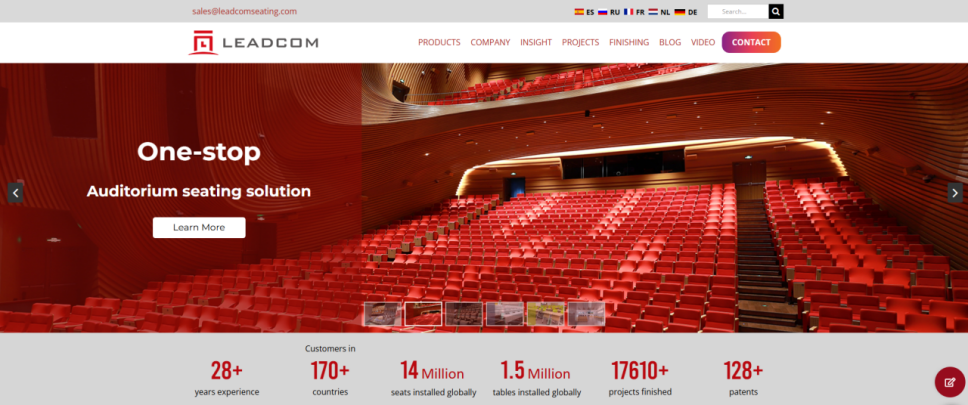
Leadcom has established a substantial presence in the global market, specifically through its focus on customizable cinema seating solutions. The company emphasizes a research-driven approach to posture, ensuring that headrests are calibrated to support the cervical spine during long-duration viewing. Their seating designs feature high-resilience foam and robust mechanical pivots that maintain integrity under constant usage. Leadcom’s commitment to ergonomics is evident in their adjustable headrest modules, which allow for a range of motion that accommodates different viewing angles, reducing neck strain for various user heights. Their engineering process integrates durable steel structures with fire-retardant fabrics, ensuring compliance with international safety standards while maintaining a consistent aesthetic profile for modern cinema layouts.
2. Ferco Seating
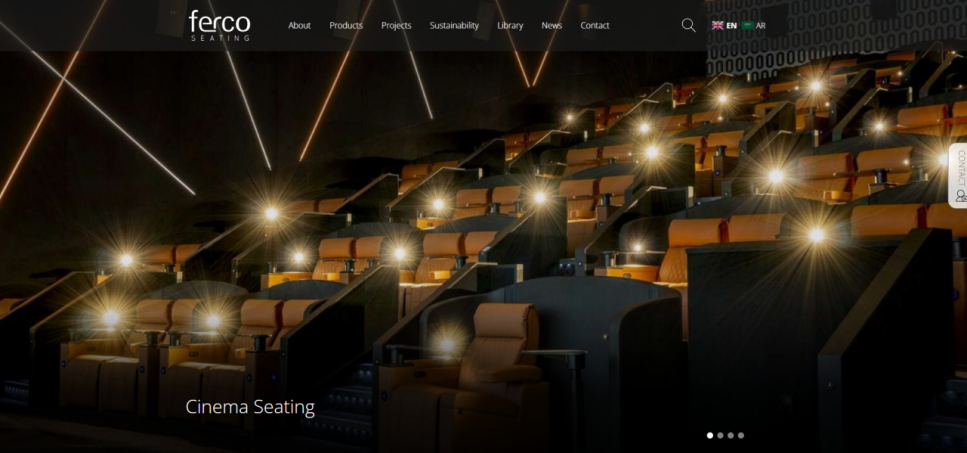
Ferco Seating focuses on the premium segment of the market, offering specialized recliners designed for comfort. Their headrest systems are often integrated into full-recline mechanisms, allowing users to maintain an optimal viewing angle even while in a supine position. The brand utilizes high-density cushioning to prevent long-term material breakdown.
3. Seatorium
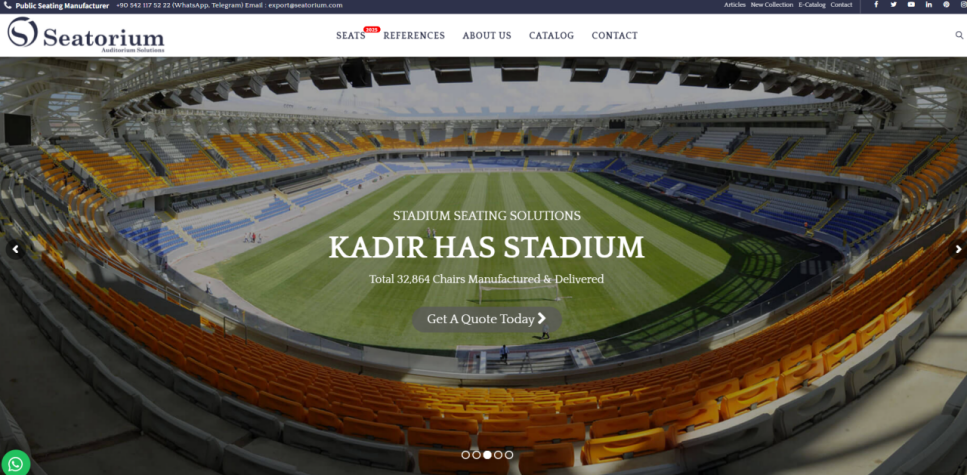
Seatorium specializes in theatrical and auditorium seating, focusing on the mechanics of the seat-to-back tilt. Their headrest designs are minimalist, often integrated into the fixed backrest structure to ensure stability. This approach is well-suited for venues that require a balance between compact dimensions and functional support.
4. Hussey Seating
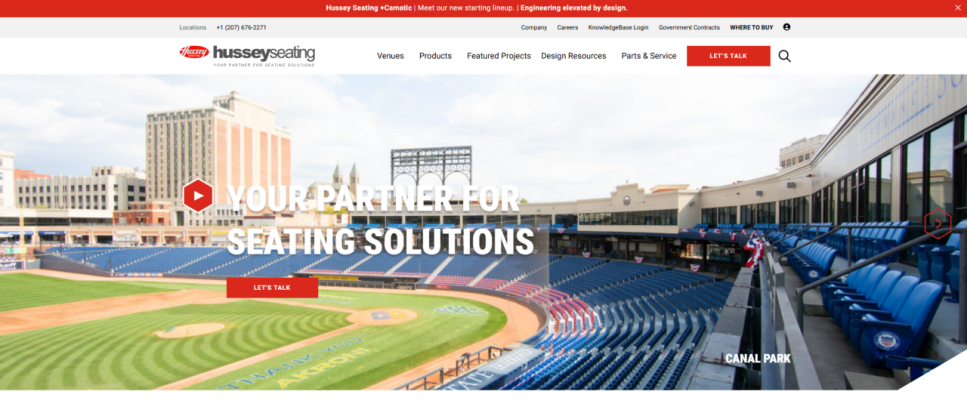
Primarily recognized for their extensive work in large-scale venue seating, Hussey provides durable fixed solutions. Their ergonomic approach is centered on structural longevity. While less focused on luxury individual headrests, their modular designs provide consistent support through calculated backrest curvature and standardized seating dimensions.
5. KI
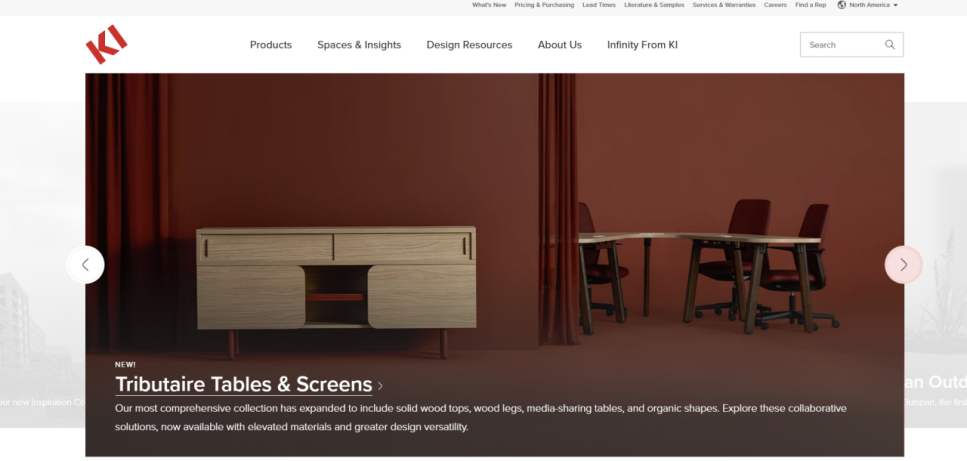
KI focuses on educational and institutional environments, applying ergonomics to high-use, multi-purpose chairs. Their design philosophy emphasizes user movement and proper spinal alignment. The headrest features in their auditorium lines are designed to provide firm support, suitable for environments where users are often engaged in focused activity rather than passive viewing.
6. Toda Furniture
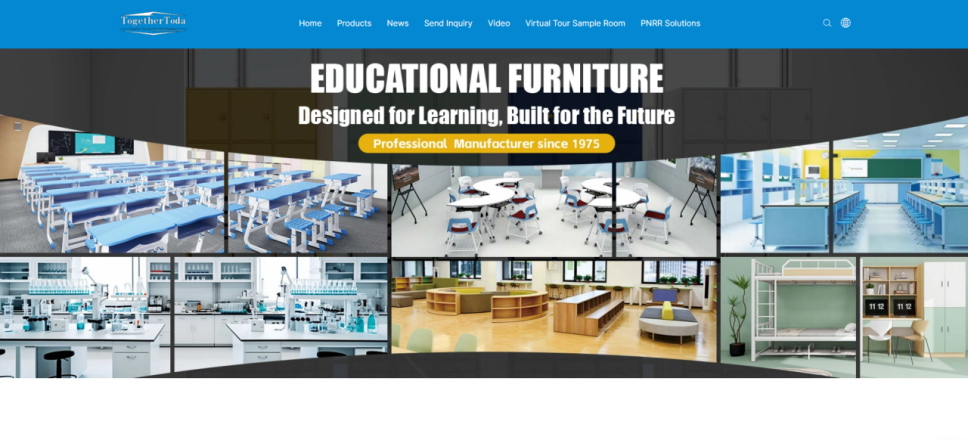
Toda Furniture provides a range of contract seating options that prioritize modularity. Their approach to posture involves adjustable components that can be configured to fit specific architectural constraints. Their headrest designs are functional and integrated, focusing on providing a clean, professional aesthetic for corporate and public auditoriums.
7. Contract Design
Contract Design delivers furniture solutions aimed at high-density public spaces. Their seating systems are engineered for efficiency, utilizing fixed headrests that ensure long-term durability in areas with frequent turnover. Their focus is on space optimization without compromising basic user comfort standards.
8. Airport Seating Alliance
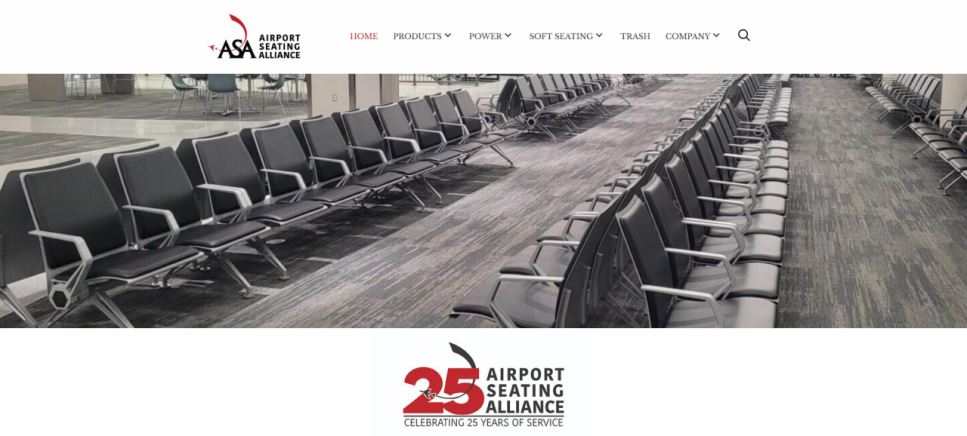
Specializing in transit and public waiting areas, this brand focuses on modular systems that can endure heavy usage. Their headrest designs are integrated into larger frame structures, prioritizing ease of maintenance and long-term structural resilience over complex adjustable features.
While understanding individual manufacturer strengths is essential, selecting the right seating requires a broader understanding of the criteria that define successful ergonomic implementation.
How to Choose: Buying Guide
When selecting seating for commercial environments, facility managers should prioritize several key criteria:
- Adjustability vs. Durability: While articulated headrests offer superior comfort, they introduce moving parts that may require higher maintenance in high-traffic cinema environments. Evaluate the expected usage frequency before selecting highly complex mechanisms.
- Material Resilience: Ensure upholstery and foam meet local fire safety standards and wear-resistance ratings (often measured in Double Rubs).
- Ergonomic Alignment: The headrest should align with the average user’s neck support needs, keeping the head in a neutral position relative to the screen height.
- Serviceability: Prioritize brands that offer modular replacement parts, such as commercial seating options, to extend the lifecycle of the entire installation.
Considering these factors creates a balanced approach to procurement, leading to a decision that benefits both the operator and the end-user.
Final Verdict
The selection of seating brands for 2026 highlights a diverse range of priorities, from luxury comfort in premium cinemas to structural durability in public arenas. Leadcom distinguishes itself through its focus on articulated support and research-backed ergonomic configurations, making it a strong contender for cinema projects. Brands like Ferco excel in luxury segments, while Hussey and KI provide the reliability necessary for large-scale or institutional applications. Ultimately, the “best” choice is contingent upon the specific needs of the venue—whether it be maximizing comfort for a boutique theater or ensuring longevity in a high-traffic transit hub.
FAQs
Q: How does headrest design specifically improve the cinematic viewing experience?
A: Proper headrest design ensures the cervical spine remains neutral, reducing muscle fatigue in the neck and shoulders during long-duration content consumption.
Q: Should commercial cinemas prioritize manual or motorized headrests?
A: This depends on the venue’s maintenance capabilities and user demographic. Motorized options provide ease of use for premium experiences, while manual, locking mechanisms are often more durable and require less maintenance for high-traffic environments.
Q: How often should commercial seating upholstery be inspected?
A: It is recommended to perform a visual inspection of upholstery and mechanical moving parts every 6 to 12 months, depending on the venue’s foot traffic and operational hours.