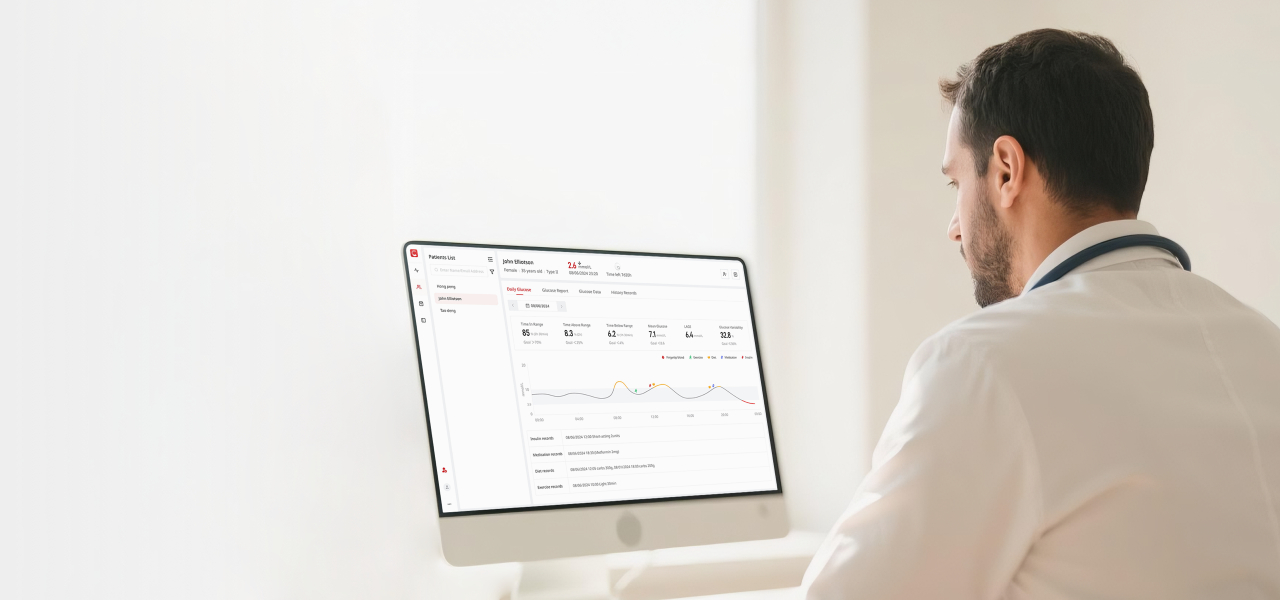
The landscape of chronic disease management continues to evolve rapidly with the integration of digital health tools. Managing blood sugar traditionally relied on isolated tests that offered limited insight into daily metabolic fluctuations. Today continuous tracking technologies offer a comprehensive view of physiological changes throughout the day and night.
To support effective remote diabetes management, timely data sharing between patients and healthcare professionals is important. A robust system for remote patient glucose monitoring bridges the gap between daily lifestyle habits and professional medical oversight.
When physicians receive accurate and timely information they can make more informed decisions regarding medication adjustments and dietary recommendations. Understanding exactly what information should be transmitted to medical professionals helps ensure that consultations remain productive and therapeutic interventions become more precise.
Core Metrics Required for Effective Clinical Evaluation
When sharing health information with medical teams raw numbers alone often fail to tell the whole story. Physicians typically look for standardized metrics that summarize overall glycemic control over a specific period.
Time in range represents the percentage of time an individual spends within their target blood sugar levels. Many clinical guidelines suggest aiming for substantial time in this target zone though individual goals may vary based on personal health circumstances.
Healthcare professionals also review time below range (TBR) and time above range (TAR) to assess exposure to low and high glucose levels and identify patterns that may require further evaluation. Transmitting these specific percentage breakdowns allows clinicians to evaluate the effectiveness of a current treatment plan.
By analyzing these metrics, healthcare providers can identify glucose patterns that may indicate a need for further clinical assessment or treatment review. Continuous transmission of this structured data helps transform overwhelming amounts of daily readings into clear actionable insights.
The Importance of Real Time Glycemic Trends
Beyond static metrics the direction and speed of changing blood sugar levels provide crucial context for medical interventions. Healthcare teams benefit immensely from seeing trend arrows that indicate whether glucose is rising or falling rapidly.
This dynamic information allows professionals to anticipate potential emergencies and advise proactive measures rather than simply reacting to past events. Wearable CGM sensors measure glucose levels in interstitial fluid at regular intervals, providing data on glucose fluctuations throughout the day.
Devices like the iCan CGM system provides glucose updates every three minutes, while iCan Review shares the latest glucose data point with healthcare professionals within five minutes of the reading. When this continuous stream of trend data is shared with healthcare providers it highlights vulnerable periods during the day or night.
Recognizing these subtle patterns empowers clinicians to fine tune insulin dosages and offer highly personalized management strategies. These insights can support individualized diabetes management based on observed glucose patterns and patient needs.
Integrating Lifestyle Context with Physiological Information
Physiological data becomes significantly more valuable when it is closely paired with detailed lifestyle context. Healthcare professionals need to deeply understand the various external factors influencing daily glucose fluctuations to provide the most accurate medical advice.
Individuals should utilize companion applications to log meals, physical activity sessions, and medication administration times alongside their glucose curves. When medical teams receive these event logs, they can examine whether glucose increases coincide with recorded meals while considering other factors that may influence glucose levels.
This approach provides additional context for interpreting daily glucose patterns and identifying possible contributing factors. Instead of wondering why levels deviated from the target range physicians can point to concrete lifestyle triggers and suggest targeted behavioral modifications.
Reviewing these factors may help patients and healthcare professionals identify practical adjustments to daily routines. Sharing contextual information can also support more individualized discussions about diabetes management.
Generating Comprehensive Ambulatory Glucose Profiles
To streamline the review process during medical consultations raw data and lifestyle logs are typically compiled into standardized visual reports. The ambulatory glucose profile serves as an essential tool for healthcare professionals analyzing remote monitoring records.
An AGP report summarizes glucose readings collected over multiple days in a standardized visual format, showing the median glucose curve and percentile ranges that reflect glucose variability. Sharing these standardized profiles enables clinics to efficiently review patient progress and spot long term trends.
Physicians rely on these visual summaries to identify consistent issues such as dawn phenomenon or recurrent nocturnal hypoglycemia. Sharing an AGP report before an appointment can help healthcare professionals review glucose patterns in advance and prepare for more focused discussions.
Utilizing platforms that automatically generate and export these comprehensive reports greatly enhances the efficiency of remote medical care. This automation saves valuable time for both the patient and the healthcare provider during clinical visits.
Selecting Reliable Technologies for Accurate Data Transmission
The success of any remote monitoring strategy depends heavily on the accuracy and reliability of the underlying technology. Healthcare teams are better positioned to make safe and effective treatment decisions if they trust the information being shared with them.
Selecting a validated CGM system can help healthcare teams access glucose data with documented accuracy and performance characteristics. Leading manufacturers dedicate substantial resources to developing sensors that maintain high accuracy over extended wear periods.
As a prominent global enterprise in chronic disease management Sinocare provides advanced solutions that meet the rigorous demands of both users and healthcare professionals. Their continuous monitoring devices are available in multiple configurations, with some models offering a wear life of up to 15 days. For the 15-day model, clinical data reported a mean absolute relative difference of 8.71% in adult users. However, performance specifications may vary depending on the specific model and intended use environment.
These specifications provide information about sensor wear duration and glucose measurement accuracy under evaluated conditions. Waterproof sensor designs support use under specified conditions, while compatible applications enable users to view and share glucose data with healthcare professionals.
Reliable glucose monitoring and data-sharing tools can support communication between patients and healthcare professionals during ongoing diabetes management.