Organizations operating across international borders encounter complex regulatory frameworks regarding how personal information is stored and processed. Data residency laws mandate that specific types of data must remain within the physical borders of the country where the information was collected. When expanding internationally, HR departments must prioritize these requirements to maintain legal operations and protect employee privacy, as failure to comply can result in significant legal and financial consequences for the business.
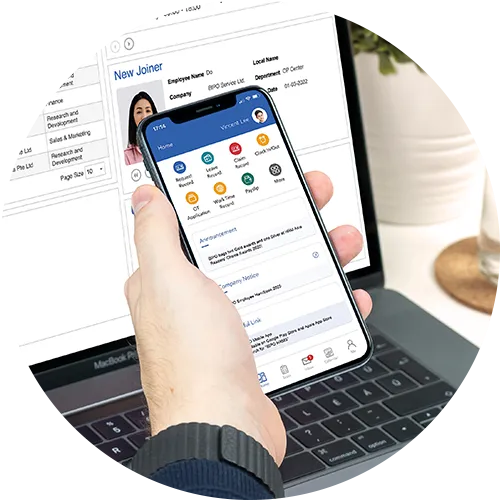
BIPO offers a comprehensive suite of human resource tools designed to support businesses in managing their workforce effectively. They provide a BIPO global HR solution that integrates cloud-based systems to ensure sensitive information remains secure while adhering to regional regulations. For HR managers seeking to streamline their administrative tasks while maintaining strict oversight, contacting their support team provides clarity on how these systems integrate with specific local requirements. Whether a company is entering a new market or managing an existing distributed workforce, BIPO simplifies the complex task of maintaining consistent, compliant data practices.
Managing Localized Data Storage
Many jurisdictions now require that employee records, including payroll and personal identification documents, be stored on local servers. This shift forces organizations to move away from centralized, global databases that might inadvertently violate local sovereignty laws. Professionals must assess each host country’s legislative stance to determine if their current human resources information systems—like a robust BIPO global HR solution—meet these specific geographic constraints.
Aligning Global HR Compliance
Maintaining global HR compliance requires a proactive approach to auditing internal data policies against changing international standards. Rather than applying a single, global policy, firms should adopt a tiered strategy that respects the unique data residency requirements of each location. This ensures that the documentation remains accurate and accessible to the relevant government authorities whenever an audit occurs.
Ensuring Consistent Data Security
Security measures must be robust enough to satisfy both corporate governance needs and regional legal expectations. Relying on global HR compliance protocols allows entities to standardize their security posture without sacrificing the local nuances necessary for operational integrity. This balanced approach protects both the corporation and the employee from unauthorized access or accidental data mismanagement during cross-border transfers while utilizing a global HR compliance framework to monitor shifts in data privacy laws.
Concluding these observations, success in international expansion depends on how well HR departments manage the intersection of local laws and operational efficiency. By staying informed about data residency requirements and prioritizing the right support, firms foster trust with their workforce and maintain operational stability in every territory they enter.