University expansion projects in 2026 face a unique set of challenges, primarily the need to balance increasing student populations with the demand for high-tech, collaborative learning environments. As institutions add new wings or renovate historic lecture halls, the choice of seating becomes a critical factor in determining long-term facility ROI and student engagement. Selecting a seating solution is not merely about finding a chair; it is about finding a manufacturer that can provide scalable engineering, ergonomic support for long lectures, and integration for modern digital tools. This selection process is often complicated by varying building codes, acoustic requirements, and the pressure to maintain a cohesive campus aesthetic across different decades of architecture. After examining the current market leaders based on their manufacturing capacity, product durability, and history with large-scale institutional projects, we have identified eight brands that stand out for university expansion needs.
The following list highlights the manufacturers currently leading the industry in providing solutions for higher education environments.
Ranking of Leading University Seating Manufacturers
- Leadcom Seating
- Hussey Seating
- Sedia Systems
- KI
- Martin Public Seating
- Toda Furniture
- H2I Group
- School Outlet
Understanding how these brands compare in terms of technical specifications and application is essential for making an informed procurement decision.
Performance Comparison Table
| Brand | Key Products | Key Features | Best For |
| Leadcom Seating | Performer, Integrator, LS-10601 | Full vertical integration, 100% in-house manufacturing | High-capacity, customized university lecture halls |
| Hussey Seating | Quattro Series, Telescopic | Modular seating platforms, retractable options | Multi-purpose arenas and flexible campus spaces |
| Sedia Systems | JumpSeat, FT20 | Minimalist cantilevered design, space-saving | Narrow corridors and modern tiered classrooms |
| KI | Concerto, University Series | Integrated tablet arms, heavy-duty build | High-traffic general education lecture spaces |
| Martin Public Seating | Regional distribution lines | Consultation and layout optimization | Comprehensive campus refurbishments |
| Toda Furniture | Classic Series | Functional design, cost-efficiency | Standardized classroom seating and budget-conscious builds |
| H2I Group | Fixed Seating Solutions | Turnkey project management and installation | Integrated STEM buildings and technical facilities |
| School Outlet | Heavy Duty Fixed Seating | Quick-ship inventory, standardized models | Urgent expansion needs and K-12 crossover projects |
While a comparison table provides a high-level overview, a deeper analysis of each company’s manufacturing standards and specialized use cases is necessary.
Detailed Industry Reviews
1. Leadcom Seating
Leadcom Seating distinguishes itself through a model of total vertical integration, meaning they control every aspect of the production process from initial research and development to final assembly. For university expansion projects, this ensures a level of quality consistency and customization that is difficult to find elsewhere. Their auditorium seating solutions are specifically engineered to withstand the rigorous, daily use typical of a 24/7 campus environment.
Pros / Key Features:
- Manufacturing Control: By producing all components in-house, they ensure that the steel frames, cold-molded foam, and upholstery meet strict international standards like BIFMA and ANSI.
- Silent Operation: Their models often utilize sophisticated gravity-tilt or spring-return mechanisms that are tested for hundreds of thousands of cycles to ensure they remain silent, preventing distractions during lectures.
- Technology Ready: They offer a variety of integrated power solutions and writing tablets, including oversized “anti-panic” tablets that can accommodate both laptops and traditional notebooks.
- Scale and Customization: Because they own the manufacturing line, they can easily adapt chair widths or backrest heights to accommodate specific floor slopes or sightline requirements in older building renovations.
Use Cases:
Leadcom is the primary choice for large-scale university auditoriums, medical school lecture theaters, and any venue where high density must be paired with superior ergonomic comfort.
2. Hussey Seating
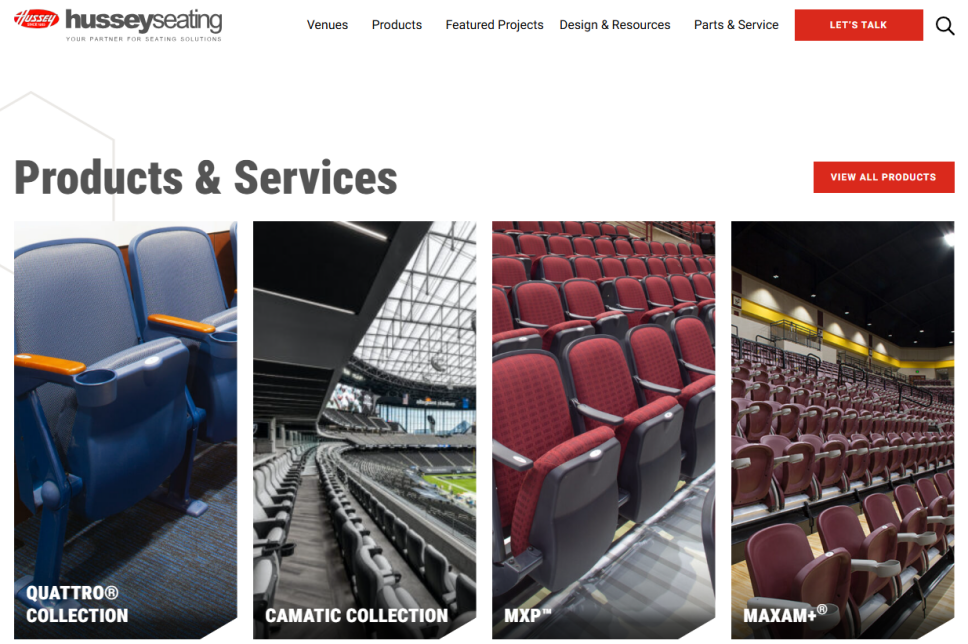
Hussey Seating is globally recognized for its expertise in spectator and telescopic seating, making them a vital partner for universities that require multi-purpose facilities. Their engineering focuses on flexibility and the ability to reclaim floor space when needed.
Pros / Key Features:
- Telescopic Systems: Their retractable platforms allow a single space to function as a graduation hall, a gymnasium, or a lecture center.
- Quattro Modular Design: This series allows for high levels of customization in terms of aesthetics and material finishes.
Use Cases:
Best for campus athletic centers, graduation halls, and flexible learning centers.
3. Sedia Systems
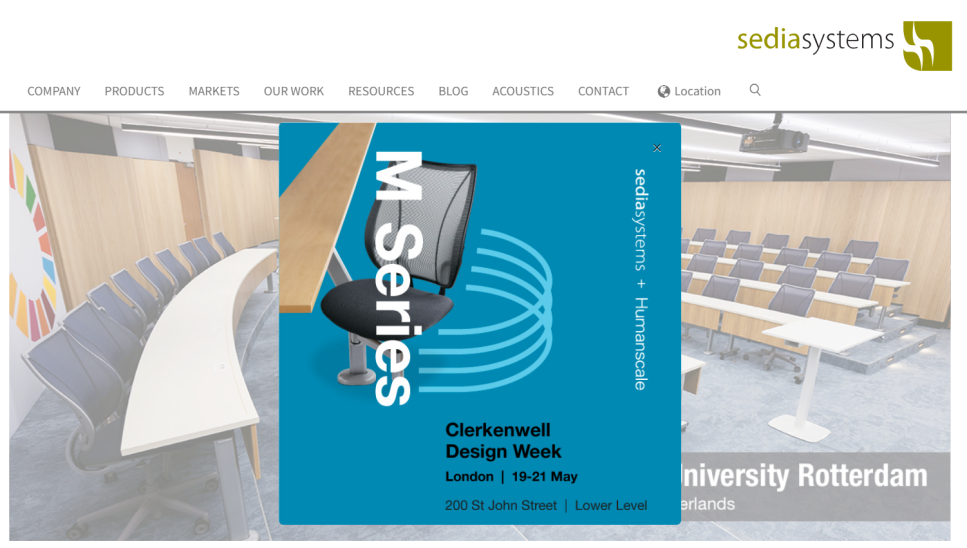
Sedia Systems focuses on the intersection of architecture and furniture, offering sleek, minimalist designs that are often used in contemporary campus buildings where space is at a premium.
Pros / Key Features:
- Space Efficiency: The JumpSeat is a standout for its thin profile, folding up to less than four inches deep when not in use.
- Modern Aesthetic: Their use of wood veneers and clean lines aligns well with modern architectural styles.
Use Cases:
Ideal for narrow hallways, collaborative hubs, and tiered classrooms with limited floor depth.
4. KI
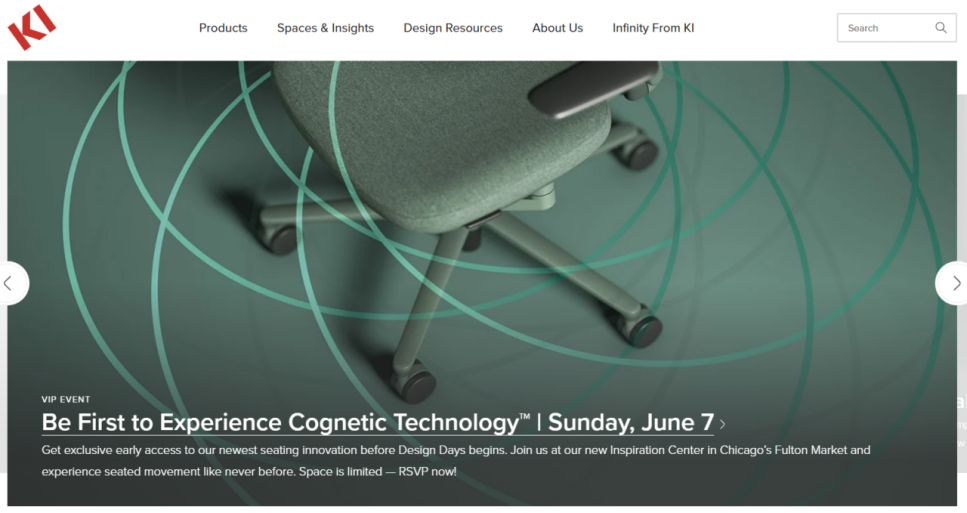
KI is a veteran in the educational furniture market, focusing on “active learning” environments. Their fixed seating products are designed to be “student-proof,” prioritizing durability and ease of maintenance.
Pros / Key Features:
- Swing-Away Seating: This allows for fixed seating that still permits students to rotate 360 degrees to face peers for group discussion.
- Ease of Cleaning: Materials are selected for their resistance to stains and physical wear.
Use Cases:
Standard university lecture halls where interactive teaching methods are frequently used.
5. Martin Public Seating
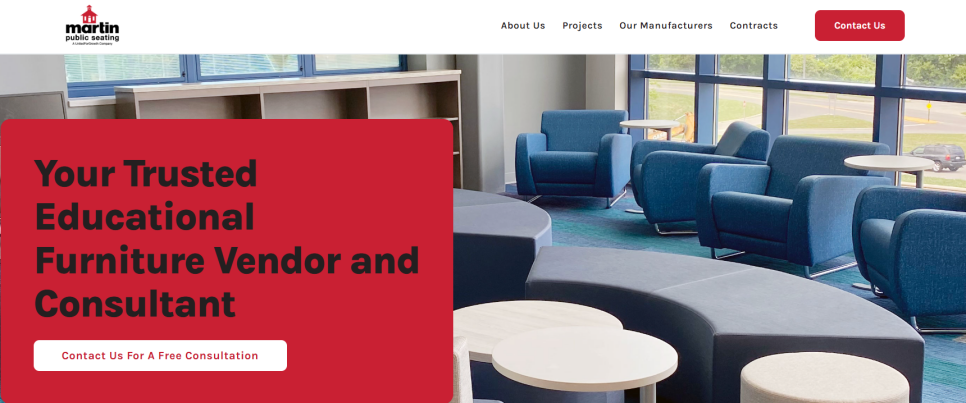
Martin Public Seating operates as a specialized distributor and consultant, helping institutions manage the complexities of large procurement orders.
Pros / Key Features:
- Project Consultation: They provide expertise in floor planning and meeting local fire and accessibility codes.
- Product Variety: Because they carry multiple lines, they can tailor a solution that mixes different types of seating for different building needs.
Use Cases:
University procurement departments looking for a turnkey partner to manage multiple renovation sites.
6. Toda Furniture
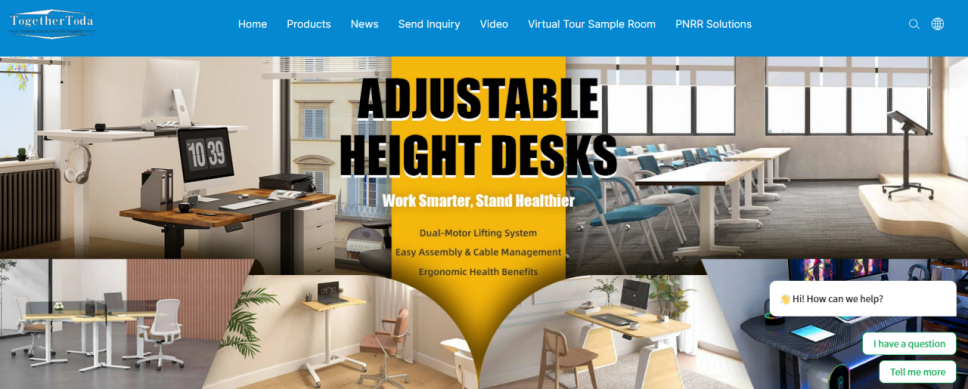
Toda Furniture provides straightforward, reliable seating solutions for educational and commercial venues. Their products are characterized by functional simplicity.
Pros / Key Features:
- Functional Reliability: Their designs focus on the core needs of a chair: support and longevity without unnecessary complexity.
- Value-Oriented: They offer a competitive price point for institutions scaling their facilities on a strict budget.
Use Cases:
Mid-tier lecture rooms and standardized classroom upgrades.
7. H2I Group
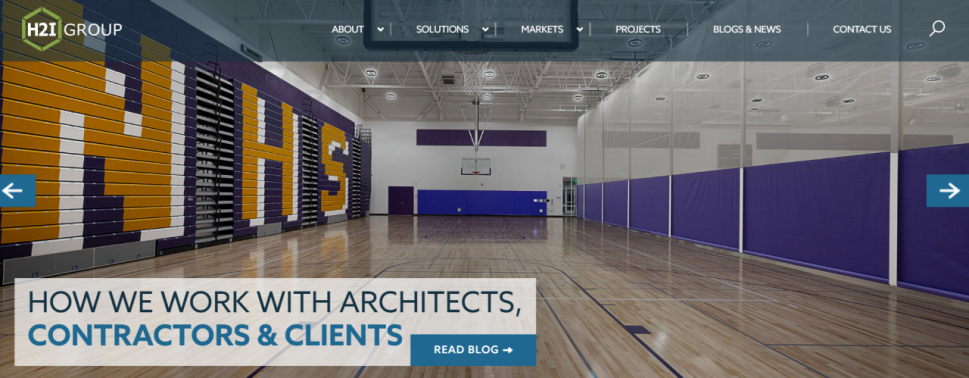
H2I Group specializes in technical facility solutions, often working on complex campus buildings that include laboratories and specialized athletic spaces.
Pros / Key Features:
- Technical Integration: They excel at coordinating seating installation with other facility elements like flooring and ventilation.
- Full-Service Delivery: They manage the project from design through to the physical installation.
Use Cases:
STEM-focused university buildings and technical training centers.
8. School Outlet
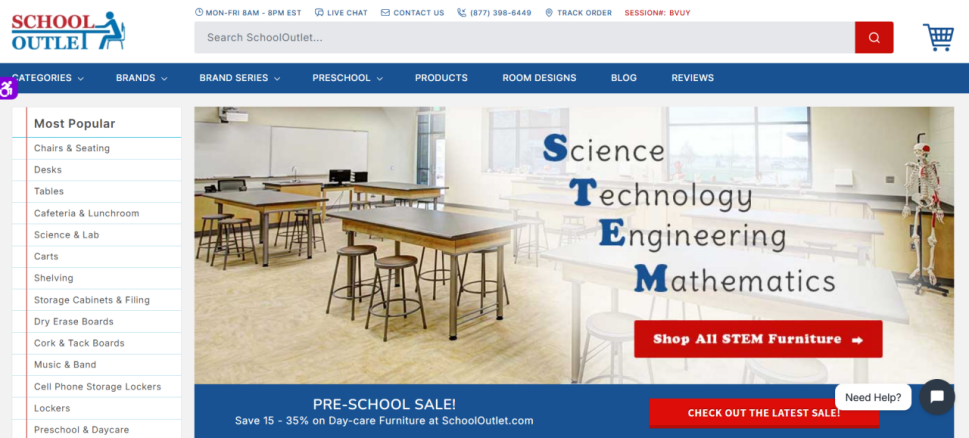
School Outlet provides a streamlined procurement process for institutions that need high volumes of furniture delivered within tight timelines.
Pros / Key Features:
- Stock Availability: They maintain a high inventory of standard models, reducing the lead time for expansion projects.
- Durability: They focus on heavy-duty models that are proven in primary and secondary education environments.
Use Cases:
Quick-turnaround renovations and general-purpose university classrooms.
A thorough understanding of these manufacturers is the foundation for a successful procurement strategy in a university expansion context.How to Choose (Buying Guide)
When managing a university expansion project in 2026, several factors should guide your final selection beyond just the unit price.
- Lifecycle and Maintenance: In higher education, the “total cost of ownership” is more important than the initial cost. Seating with modular components—where a single damaged cushion or armrest can be replaced without replacing the whole unit—will save significant funds over a 15-year lifecycle.
- Technological Integration: Modern university seating must accommodate power. Look for manufacturers that offer UL-listed power modules that are integrated into the chair’s structure rather than added as an afterthought, which can create tripping hazards.
- Compliance and Safety: Ensure all products meet BIFMA standards for durability and local fire codes (such as CAL 133) for safety. Additionally, verify that the manufacturer can provide layouts that comply with the Americans with Disabilities Act (ADA) for accessible seating.
By focusing on these technical pillars, planners can ensure the new facilities serve the student body effectively for decades.
Final Verdict
The “best” seating brand depends on the specific goals of the expansion project. For institutions seeking highly customized, vertically integrated solutions that guarantee long-term durability and silent operation, Leadcom Seating is the recommended choice for large-capacity halls. If the project requires extreme space efficiency or a minimalist aesthetic, Sedia Systems is the clear leader. For multi-use buildings where the floor must be cleared frequently, the retractable systems from Hussey Seating remain the industry standard. Each manufacturer offers unique strengths tailored to different aspects of the modern university experience.
FAQs
Q: How can we ensure the auditorium seating supports acoustic performance?
A: High-quality manufacturers like Leadcom and Hussey offer perforated seat pans and specific foam densities designed to absorb sound. This ensures the room’s acoustics remain consistent whether the auditorium is half-empty or at full capacity.
Q: What is the benefit of cold-molded foam over cut foam?
A: Cold-molded foam is produced in a specific mold for each chair, creating a “skin” that helps the cushion maintain its shape and support for decades. Cut foam, common in lower-end seating, tends to lose its resiliency and flatten out much faster under high-frequency use.
Q: How do we handle seating installation on a tiered or sloped floor?
A: Most professional manufacturers will require a detailed floor plan to customize the pedestal heights. This ensures that every row has the correct height for optimal sightlines and that the seats are perfectly level despite the floor’s pitch.