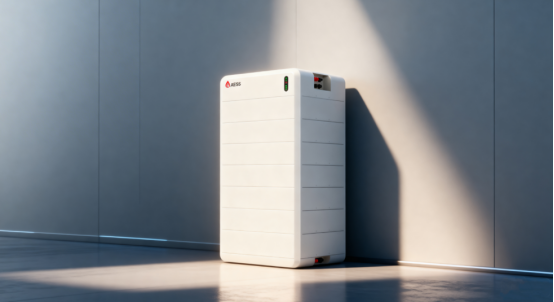
Energy management requires reliable infrastructure to house essential components securely. A battery cabinet provides the necessary protection for electrochemical energy storage systems, ensuring that sensitive hardware remains shielded from environmental factors while operating efficiently. By housing modules in a controlled environment, these systems facilitate consistent performance over extended periods.
Design and Environmental Protection
When facility managers evaluate power infrastructure, physical security remains a priority. An Atess unit is engineered to meet specific safety standards, protecting internal components from dust, moisture, and temperature fluctuations. This robust design approach helps prevent premature degradation of cells, which is a common concern for industrial energy setups. By utilizing a battery storage cabinet, operators minimize the risk of mechanical damage and accidental contact, creating a safer workspace for technicians.
Integration and Scalability
Modern power setups require flexibility to adapt to changing capacity needs. An Atess system is built to support seamless integration, allowing for modular expansion as requirements grow. The mechanical layout of a high-quality battery cabinet ensures that interconnections remain stable, reducing resistance and improving overall system efficiency. When systems are organized effectively, maintenance tasks become straightforward, as technicians can access specific modules without disrupting the entire array.
Optimization of Storage Space
Maximizing the utility of available floor space is essential for industrial or commercial sites. A well-designed battery storage cabinet organizes high-density cells into a footprint that fits within existing facility layouts. Efficient spatial arrangement allows for better airflow around individual modules, which assists in thermal management. By prioritizing orderly configuration, these units support the longevity of the energy storage components housed within.
Conclusion
Reliable infrastructure forms the backbone of effective energy storage. By utilizing specialized enclosures, organizations ensure that their hardware remains protected, organized, and scalable. Consistent attention to how these systems are housed allows for better control over the operational environment. Proper equipment selection supports the long-term viability of power projects, providing a stable foundation for energy requirements.