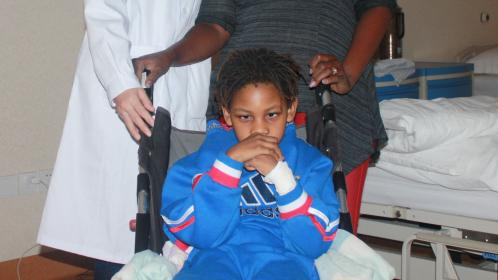
A non-progressive damage to the developing brain during pregnancy, birth, or early childhood can produce cerebral palsy, a debilitating neurological illness. Children with this disorder may struggle with motor skills, posture, balance, and coordination; others may have issues with cognition, sensation, behaviour, or speech. There is a growing emphasis in the treatment of paediatric cerebral palsy on individualised rehabilitation programs that provide developmental support over the long term, as the severity of neurological disability might differ across patients. Within this framework, stem cell treatment for children with cerebral palsy has emerged as a promising field of regenerative medicine, especially when integrated with cross-disciplinary rehabilitation programs. Personalised treatment plans, conventional rehabilitation techniques, and regenerative medicine are all part of the planned paediatric recovery routes provided by healthcare providers like SunMoon Stem Cells.
Regenerative Treatment Approaches and Personalized Care
The clinical rationale behind stem cell therapy for cerebral palsy child patients involves supporting neural repair and improving communication between damaged brain regions and the muscular system. Mesenchymal stem cells and neural stem cells are widely studied for their regenerative and neuroprotective properties. These cells may release neurotrophic factors such as BDNF and GDNF, which are associated with neuronal survival, neural network support, and improved cerebral circulation.
SunMoon Stem Cells uses GMP-certified mesenchymal stem cells derived from ethically sourced umbilical cord tissue. Before treatment begins, clinicians conduct comprehensive neurological evaluations, imaging studies, and functional assessments to design individualized treatment plans. Personalized stem cell therapy for cerebral palsy child programs may vary depending on the patient’s cerebral palsy classification, including spastic, dyskinetic, ataxic, or mixed cerebral palsy. This precision-based planning helps align regenerative interventions with the child’s developmental stage, mobility limitations, and rehabilitation goals.
Rehabilitation Integration and Functional Development
Pediatric rehabilitation models using stem cell therapy for cerebral palsy childpatients often combine regenerative medicine with structured physical and cognitive rehabilitation programs. Rehabilitation strategies may include physical therapy, occupational therapy, electrotherapy, speech training, and traditional Chinese rehabilitation techniques aimed at improving balance, coordination, posture, sensory integration, and daily functioning.
SunMoon Stem Cells incorporates multidisciplinary rehabilitation and continuous follow-up into its clinical care framework. Integrated treatment pathways may support improvements in gait stability, muscle tone regulation, hand coordination, and self-care abilities. Some pediatric patients may also demonstrate progress in communication, emotional adaptation, and sensory processing through long-term rehabilitation management. Digital health monitoring systems further assist clinicians in evaluating developmental progress and adjusting therapy plans according to the child’s recovery response.
Supporting Long-Term Pediatric Neurological Rehabilitation
The development of individualized rehabilitation models reflects a broader movement toward patient-centered regenerative healthcare for children with neurological disorders. Through comprehensive assessment, multidisciplinary rehabilitation integration, and structured long-term monitoring, SunMoon Stem Cells demonstrates how stem cell therapy for cerebral palsy child patients can be incorporated into coordinated pediatric recovery programs focused on improving mobility, neurological support, and functional development. As regenerative medicine continues to evolve, personalized rehabilitation pathways are expected to remain important in pediatric cerebral palsy management.