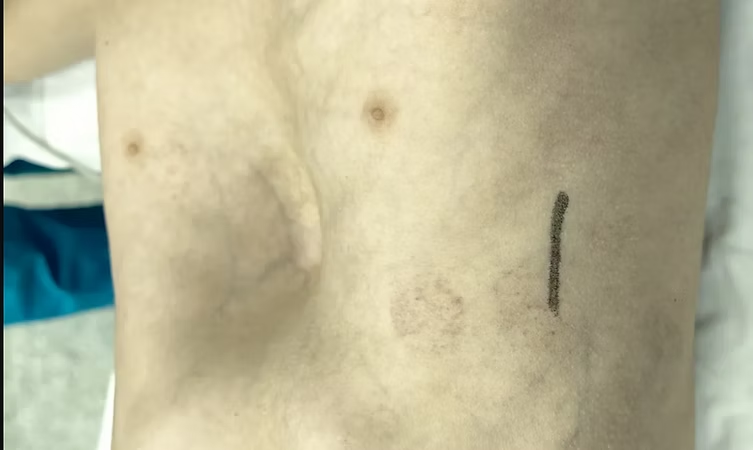
If you have observed someone with a pectus excavatum deformity, you may have noticed that some individuals appear relatively slender or “lanky” in build. Studies and clinical observations suggest that patients with this chest wall deformity tend to have a lower body mass index (BMI) compared to some of their peers. But what is the medical reason behind this “skinny” appearance?
Metabolic and Physiological Considerations
Pectus excavatum not only affects the appearance of the chest wall; in some cases, it may be accompanied by a relatively slender body type. Clinical observations indicate the main contributing factors are as follows:
Cardiorespiratory Function and Energy Metabolism: The inward sternal depression compresses the heart and lungs, impairing gas exchange. This increases energy consumption for oxygen supply and reduces exercise tolerance. Decreased physical activity further hinders muscle development and body fat maintenance, resulting in a lean body habitus.
Digestive Impairment and Malabsorption: Severe pectus excavatum may exert mild compression on the stomach (and occasionally the liver), causing postprandial fullness and dyspepsia. Chronic discomfort leads to reduced food intake and impaired nutrient absorption. Insufficient calorie and protein intake ultimately restrict weight gain.
How The Institute of Chest Wall Surgery (ICWS) Can Help
The Institute of Chest Wall Surgery (ICWS) offers specialized procedures for correcting a range of chest wall deformities, including pectus excavatum:
The Wang Procedure: This technique involves placing a shaping bar on the chest wall bones and then using wires to lift the sternum and costal cartilage. By lifting the sternum outward, it helps relieve cardiopulmonary compression and avoids the long-term metabolic burden that leads to growth restriction.
The Wung Procedure: As a modified technique of the Nuss procedure, it delivers higher safety and superior therapeutic outcomes compared with the traditional Nuss procedure. After the surgery, the heart and lungs also have sufficient space to function effectively.
Conclusion
The slender physique seen in individuals with pectus excavatum may result, in part, from physiological consequences of a compressed chest. Corrective procedures at The Institute of Chest Wall Surgery (ICWS) help restore thoracic structure, potentially improving posture, enhancing exercise tolerance, and supporting healthy growth and development.