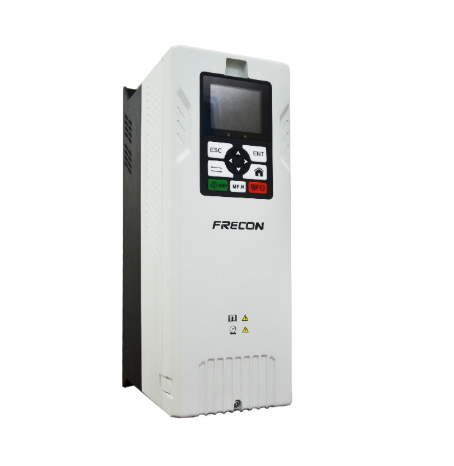
Variable frequency drives (VFDs) are essential in modern industrial automation, allowing precise control of motor speed and torque. They are widely used in various applications, including HVAC systems, pumps, conveyors, and machinery. By adjusting the frequency of the electrical power supplied to the motor, VFDs can optimize performance and energy consumption. AC inverters play a significant role in enabling these functionalities, offering flexibility and efficiency in complex operations.
The Role of AC Inverters in VFDs
AC inverters are a critical component in VFD systems, converting direct current into alternating current at variable frequencies. This conversion allows motors to operate at different speeds, improving process control and system responsiveness. The integration of high performance inverter technology ensures smooth acceleration and deceleration, minimizing mechanical stress on equipment and reducing maintenance needs. Experienced operators value these capabilities for applications where precise motor control is required.
Benefits of Using Variable Frequency Drives
Implementing a VFD brings several advantages to industrial operations. By controlling motor speed, facilities can achieve energy savings and reduce operational costs. VFDs also provide enhanced process control, allowing equipment to respond to changing demands efficiently. The use of AC inverters and high performance inverter technology supports reliable performance even in demanding industrial environments, offering consistent results and better overall equipment longevity.
Conclusion
For companies seeking efficient and reliable motor control solutions, FRECON offers a range of products that incorporate advanced AC inverters and high performance inverter technologies. Their solutions are designed to optimize energy efficiency, provide stable motor performance, and support diverse industrial applications. By leveraging FRECON‘s expertise, businesses can achieve improved operational control without compromising reliability or precision.